Learn about Carolina’s bats
Our journey begins here to help the bats of North & South Carolina.
A passion for bats
Look into resources of how to help bats both locally and all over the world. Donate, buy merch, adopt a bat and more!
Bat World Sanctuary
Bat Conservation International
SC Bat Working Group
NC Bat Working Group
Merlin Tuttle’s Bat Conservation
Bat Conservation and Management
Bat Listings of NC and SC
Want to know what bats to look for in your state? We’re here to help.
Common North Carolina Bats
- Mexican Free-Tailed Bat
- Southeasten Myotis
- Evening Bat
- Northern Long-Eared Myotis
- Rafinesque’s Big-Eared Bat
- Silver-Haired Bat
- Hoary Bat
- Eastern Red Bat
- Indiana Bat
- Gray Bat
- Seminole Bat
- Big Brown Bat
- Little Brown Bat
- Eastern Small-Footed Myotis
- Townsend’s Big-Eared Bat
- Northern Yellow Bat
- Tricolored Bat
Common South Carolina Bats
- Mexican Free-Tailed Bat
- Southeastern Myotis
- Eastern Red Bat
- Northern Long-Eared Myotis
- Rafinesque’s Big-Eared Bat
- Silver-Haired Bat
- Hoary Bat
- Eastern Small-Footed Myotis
- Seminole Bat
- Big Brown Bat
- Little Brown Bat
- Indiana Bat
- Evening Bat
- Northern Yellow Bat
- Tricolored Bat
If you find an injured or uninjured bat in or around your home, please reach out to SCDNR (803-734-3886) or The Wildlife Helpline (866-318-2401). Please do not attempt to handle the bats yourself.
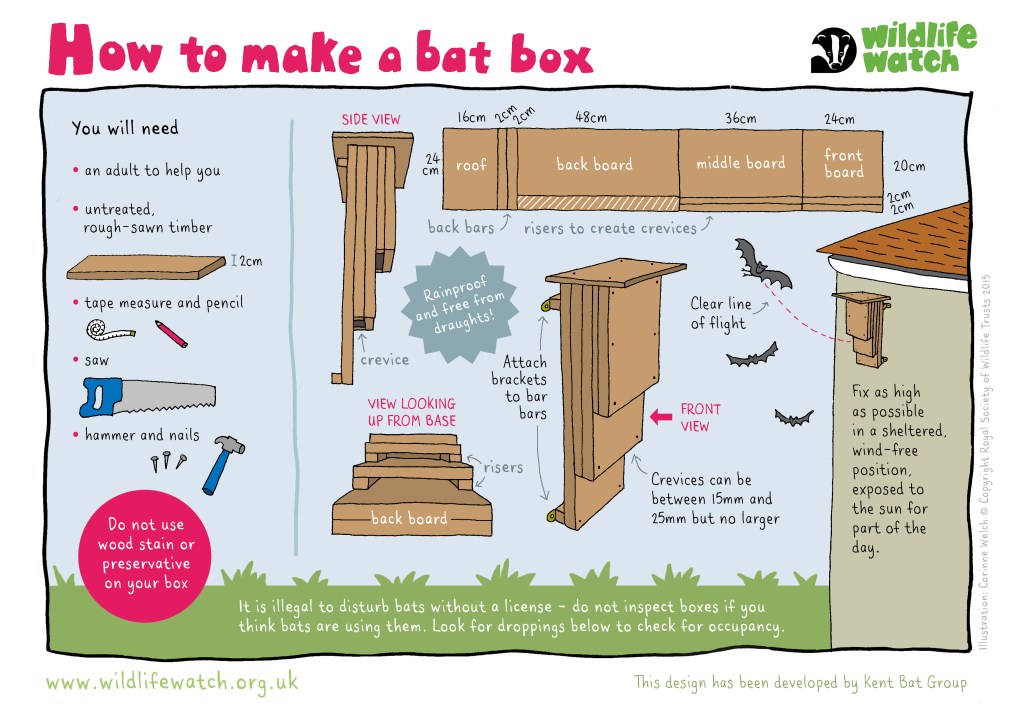
One way to help is to make a bat box if you notice a colony of bats around your home. If you can’t make one, there are some you can purchase online, but be aware that bats typically need a large box with 4 chambers. If you’re in colder areas like the mountains, you may need a darker brown/black wooden box. If you’re in warmer areas, typically you need a light colored brown box. Head over to our Bat Boxes page if you’d rather buy an assembled box.
Contact Us
carolinabatconservation@gmail.com

